


For many families, raising a child with a severe developmental disorder such as autism or intellectual disability can feel like navigating an unending storm. Behaviours of concern like aggression, self-injury, and property damage can overwhelm families and disrupt schooling. The cascade of challenges is almost impossible to face alone.
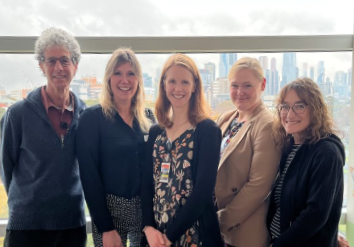
The ISAID (Improving Support for Autism and Intellectual Disability) program, under the leadership of Associate Professor Daryl Efron, has become a vital lifeline for these families. Dr. Efron is a developmental paediatrician with over 30 years of experience, and he’s backed by a dedicated team including care navigators Hannah Turner and Claire Judge, social worker Justine Schutz, paediatrician Laura Marco, and psychiatrist Chidambaram Prakash. Together, they bring expertise and compassion to help families navigate crises and rediscover hope.
Designed as a trauma-informed and multidisciplinary initiative, the program provides three months of intensive, tailored care, offering a lifeline to families on the brink of collapse.
“Families dealing with these challenges deserve the same level of consistent high-quality care as children with diabetes or cancer,” Dr. Efron explains.
Following a successful pilot program, which demonstrated the immense value of ISAID to families and the healthcare system, William Buckland Foundation, along with other funders, committed to supporting the first four years of this impactful initiative. Dr. Efron notes, “They were among the first to come on board.” Today, ISAID has expanded its reach, offering hope and practical solutions to families who previously felt helpless.
What the ISAID program offers
At its heart, the ISAID program is about restoring hope. Its approach is multifaceted, starting with a comprehensive assessment of each family’s particular challenges and needs. A detailed health and emotional assessment for children addresses everything from nutritional deficiencies and sleep difficulties to ongoing medical needs like medication adjustments or consultations. Equally crucial is the practical support offered. ISAID helps families secure or enhance NDIS funding support for things such as in-home support workers and connect with key services such as behavioural practitioners. Sometimes parents need help with a range of challenges including unstable housing and mental health problems, which can have profound impacts on the children.
The team collaborates not only with the families but with schools and other community providers to tailor solutions that work. Families are also connected to peer support through partnerships with organisations like Amaze, where they can share their struggles with others with lived experience who truly understand what they are going through.
One mother described the program as “like a flashlight in the dark,” a reflection of the clarity and hope it provides during turbulent times.
ISAID has significantly decreased emergency department visits for families, relieving some of the burden on hospitals and presenting a model for systemic change.
Genuine care and connections with William Buckland Foundation
The work of ISAID would not be possible without the commitment of the William Buckland Foundation. According to Dr. Efron, their involvement went beyond financial backing. “They showed genuine care and understanding of the real impact this problem has on families,” he shared. They not only provided essential funding but connected ISAID with other influential philanthropic supporters including the Brian M Davies Foundation and Equity Trustees Children & Young People program who have joined with the Royal Children’s Hospital Foundation to create a network of lasting impact.
“We believe that kids that need the most support also deserve the very best. The intensive model of support-where children and families are at the centre with a web of specialist support and skills building wrapped around them-can be life changing for families who have been struggling just to survive. The group of engaged funders who have supported this project echoes the design of the program itself and demonstrates how philanthropy can provide that earlier stage funding to support and validate different approaches of working. We hope that as the evidence builds of its success the model can be scaled to other locations.” – Ferdi Hepworth, William Buckland Foundation Lead
The need for sustained support
Despite its success, ISAID is not the norm. Dr. Efron envisions a future where programs like ISAID receive consistent support on par with other significant health conditions. “These are some of the most vulnerable families in our society, and we’ve learned that we can do better for them,” he reflects.
Still, the program serves as a beacon of what’s possible. Families in the most desperate circumstances are finding their footing again, regaining a sense of control, and looking toward a more stable future.
Image by a.canvas.of.light on flickr, used on a creative commons license.